Savannah works especially well for family time when you skip the urge to see every square in one afternoon. The best outings give children something tangible to do: climb into a fort casemate, study a turtle up close, navigate a maze, watch a train turn or follow a trail toward wildlife habitats. These picks balance downtown stops with a few easy excursions toward the islands, so residents can use them for a low-key weekend and visitors can build a trip around more than sightseeing.
Here are seven genuinely family-friendly things to do in Savannah and Tybee Island, with options for toddlers, grade-schoolers, teens and the adults accompanying them.
Make a day of Savannah Children’s Museum
Savannah Children’s Museum in Tricentennial Park is one of the city’s clearest answers to the question, “What can the kids actually do?” The setting is part of the appeal: much of the museum invites open-ended play in the former railway complex, with room to move instead of a gallery where everyone has to stay quiet and hands-off.
Look for a mix of imaginative play, sensory-minded features, climbing and exploration spaces. The newer indoor STEAM Center adds another useful dimension, especially when summer heat or a passing shower makes an all-outdoor plan less appealing. Its Numbers in Nature exhibition uses patterns, reflections and a mirror maze to turn math concepts into an experience rather than a lesson.
This is a strong morning stop for families with younger children, and it pairs naturally with the neighboring railroad museum. Keep the agenda loose: a child who is happily occupied here may not need another major attraction before lunch.
See the turntable at Georgia State Railroad Museum
Next door, Georgia State Railroad Museum gives kids a memorable way into Savannah’s industrial past. The former Central of Georgia Railway repair-shop complex has the scale that photographs cannot convey: locomotives, rail equipment, soaring workshop spaces and the roundhouse area create plenty for young train fans to take in.
The museum is not only for children already devoted to trains. It is also a practical choice for multigenerational groups because the engineering, craftsmanship and Savannah work history offer adults something substantial while children can focus on the machines. If train rides or demonstrations are offered on the day of your visit, consider them a bonus rather than building your whole schedule around a specific time.
Families visiting both sites should allow more time than expected. Tricentennial Park is a rare downtown cluster where play, transportation history and a change of pace all sit close together.

Get creative at Telfair Children’s Art Museum
The Jepson Center’s Telfair Children’s Art Museum makes an art stop feel like an activity, not an obligation. The dedicated children’s space is designed around tactile, imaginative engagement, and admission also opens the door to the Jepson Center’s broader collection of modern and contemporary art.
That combination makes this an excellent rainy-day choice, a cool-down stop between walks through the Historic District or an easy cultural outing for local families. Start with the children’s galleries, then let older children choose one or two works elsewhere in the museum that catch their attention. Giving them a small mission—find the brightest color, the strangest shape or a work they would hang at home—keeps the visit conversational.
Check the museum calendar before you go. Drop-in studio activities and family programming can make a regular visit feel more hands-on, but the schedule changes.
Follow the wildlife trail at Oatland Island
Oatland Island Wildlife Center is one of Savannah’s best family escapes when everyone needs trees, fresh air and a slower pace. The walk moves through maritime forest and wetlands, with animal habitats along the way. It is less like rushing through a conventional zoo and more like following a nature trail with rewarding stops.
The center cares for roughly 100 animals representing about 40 species, including native wildlife that gives children a more specific sense of coastal Georgia than they can get from a postcard. Bring binoculars if you have them, but do not make the outing only about checking animals off a list. The setting itself—mossy trees, marsh views and changing birdlife—is a reason to linger.
It is a particularly good pick for elementary-age children, though toddlers who enjoy walking and observing will find plenty to hold their attention. Pack snacks and leave enough energy for the trail back.

Let kids earn a Junior Ranger badge at Fort Pulaski
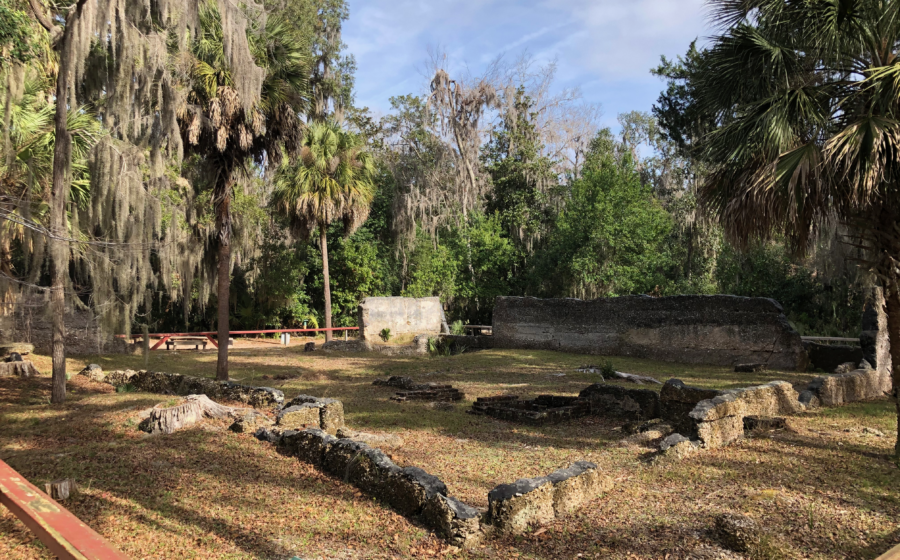
Fort Pulaski National Monument turns history into a place children can physically explore. The fort’s immense brick walls, dark casemates, moat and open parade ground immediately give the visit a sense of discovery. Rather than trying to explain every historical detail, begin at the visitor center and let children notice the architecture, cannon openings and views for themselves.
The Junior Ranger program is the best family tool here. Activity booklets encourage children to look closely at the fort, its people and its surrounding natural environment; completing the activities earns a badge and certificate. Ranger-led offerings vary, so ask about that day’s schedule when you arrive.
Fort Pulaski is positioned between Savannah and Tybee Island, making it a logical anchor for an island day. For current visitor information and Junior Ranger details, see the National Park Service’s Fort Pulaski page.
Watch history come alive at Old Fort Jackson
Old Fort Jackson offers a more compact but lively military-history outing along the Savannah River. Costumed interpreters present programs on soldier life, weaponry, communications and other aspects of the site’s long defensive history. For many children, the standout is the cannon firing demonstration.
That experience deserves a little preparation. Explain beforehand that the cannon will be loud, and consider bringing ear protection for sound-sensitive children. Arrive with time to explore the fort’s rooms and riverfront setting before the program begins, rather than treating the firing as a quick photo stop.
The location also gives families a distinctly Savannah view: working river traffic passes nearby, reinforcing why this stretch of waterfront mattered strategically. Program times and weather can affect demonstrations, so confirm the day’s details before heading over.
Meet coastal creatures at Tybee Island Marine Science Center
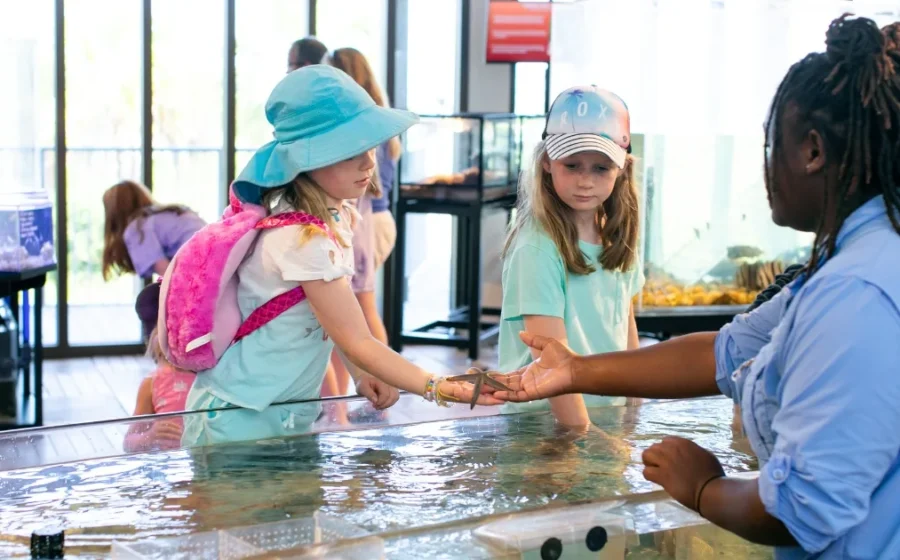
For a Tybee outing with more purpose than simply going to the beach, spend time at Tybee Island Marine Science Center near North Beach. Its exhibits focus on the animals and ecosystems of coastal Georgia, with touch tanks, interactive displays, a fossil room and observation areas that connect what children see indoors to the shoreline just outside.
The center is especially useful for helping kids become better beach explorers. After a visit, shells, tracks, shorebirds and tidal water feel less anonymous. Guided programs, when available, can add a closer look at beach ecology, marsh life or sea turtles, but the regular exhibits are worthwhile on their own.
Pair it with a short North Beach walk rather than an ambitious full-beach day. Families can look for evidence of tides and shorebirds, then leave the beach as they found it. Visit the Tybee Island Marine Science Center for current admissions, programs and weather-related updates.
Build the day around your family’s energy level
The most successful Savannah family itinerary is usually a two-stop day, not a marathon. Combine Savannah Children’s Museum with the railroad museum for younger children, or pair the Jepson Center with an unhurried downtown lunch. For an island day, choose Fort Pulaski and Tybee Island Marine Science Center, then fit in beach time only if everyone still has the appetite for it.
Savannah rewards curiosity more than speed. Give children time to notice a train wheel, a mirrored pattern, an osprey overhead or the echo inside a fort wall, and the city becomes memorable for them too.